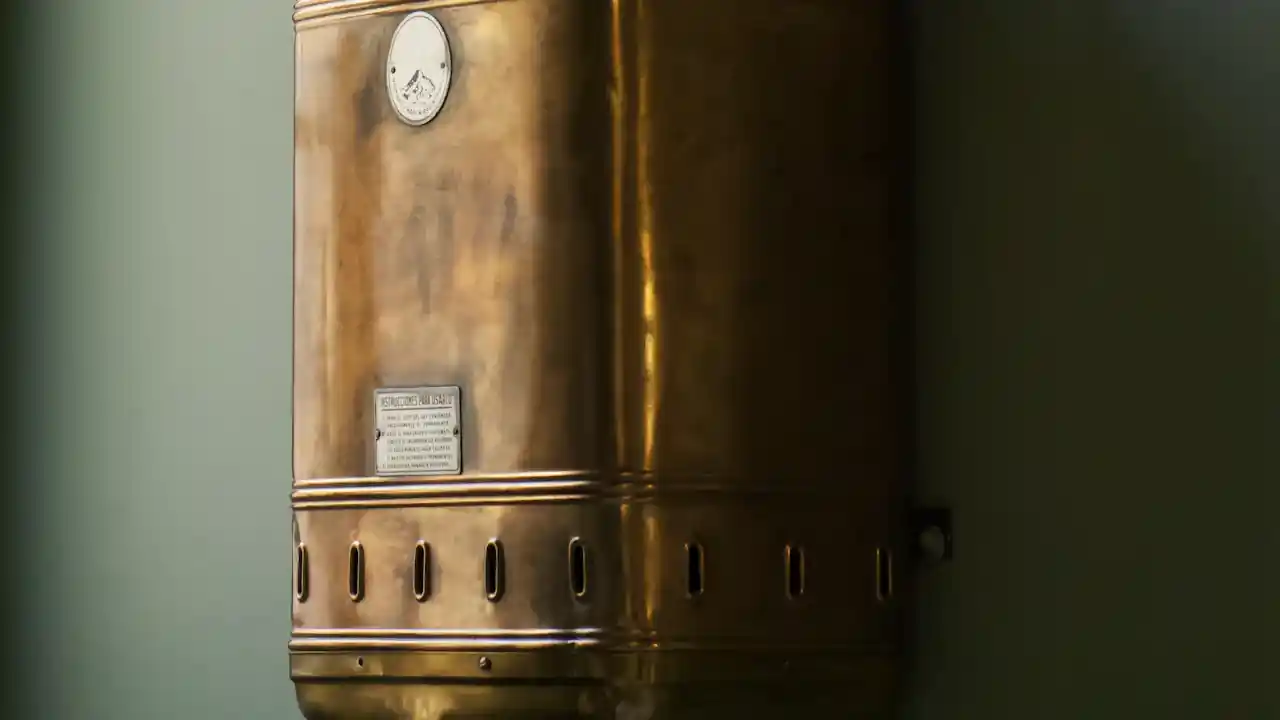
What is a thermal expansion tank?
A thermal expansion tank is a small tank on the cold-water line that absorbs the extra water volume created as your heater warms the tank. Without it, pressure in a closed plumbing system spikes each heating cycle. Water heater expansion tank installation stops those spikes and the relief valve drips they cause. Homes with a pressure regulator usually need water heater expansion tank installation. Water heater expansion tank installation starts with a house pressure test.
Water expands noticeably when heated. In an open system, that small extra volume simply pushes back into the city main. Most modern homes are not open, though. A pressure-reducing valve, check valve or backflow preventer on the main line stops water from flowing back, so the expanding water raises pressure throughout the house instead. The air charge is set to house pressure during water heater expansion tank installation.
The expansion tank gives that water somewhere to go. Inside is a rubber bladder or diaphragm with pressurized air on one side. As heated water expands, it pushes into the tank and compresses the air. When a tap is opened, the air pushes the water back out. Pressure stays steady instead of climbing every time the burner runs. Water heater expansion tank installation can end recurring relief valve drips.
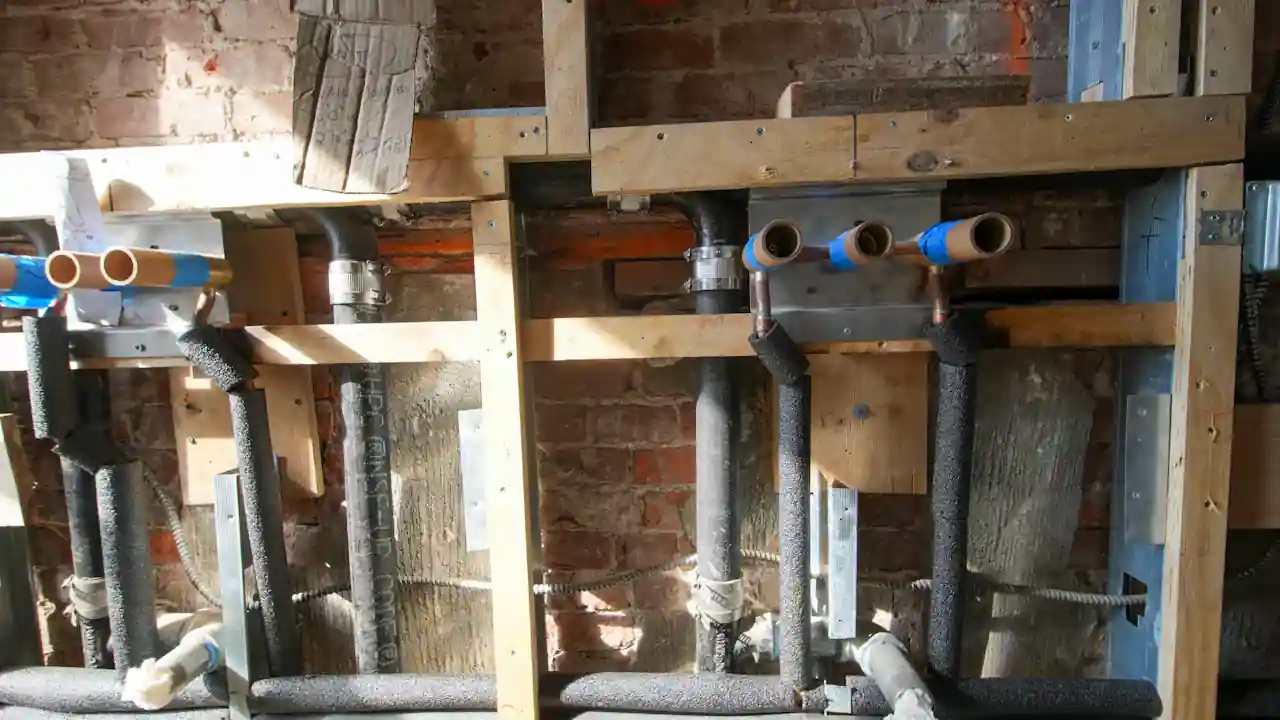
Why thermal expansion causes water heater leaks
Pressure spikes from thermal expansion do not always cause an obvious failure, but they wear parts out: Water heater expansion tank installation includes proper support for the tank.
- The T&P relief valve opens to release the excess, which shows up as a drip after showers or laundry.
- Rubber washers in flexible connectors and faucet cartridges wear faster.
- Toilet fill valves can let water run or refill unexpectedly.
- The tank itself flexes with each spike, adding stress to welds and lining.
Plumbing codes in California generally call for expansion control on closed systems. That is why a provider replacing a water heater will often add or replace an expansion tank as part of the job. A waterlogged tank is a sign water heater expansion tank installation is due again.
8 signs you need an expansion tank, or a new one
- The relief valve drips after hot water use, then stops.
- A pressure-reducing valve or check valve on your main line.
- No expansion tank near the water heater.
- A tank that sounds solid when tapped all the way up.
- Water from the air valve on the top of the expansion tank.
- Rust or leaks on the expansion tank itself.
- Faucets that spurt when first opened.
- Toilets that refill without being used.
Simple checks you can do
- Look for a small, usually round tank on the cold pipe near the heater.
- Tap it gently: the top should sound hollow. A solid sound top to bottom suggests it is full of water.
- Check whether the relief valve drips only after hot water has been used.
- Find your main water valve and see whether a pressure-reducing valve is installed beside it.
WarningDo not try to pump air into an expansion tank that is connected to the water system. The air charge must be set with the tank isolated and drained to match house pressure.
Water heater expansion tank installation, step by step
- Measure pressure. Static house pressure is tested so the tank can be sized and pre-charged correctly.
- Size the tank. Based on heater capacity, pressure and water temperature.
- Set the air charge. The tank's air pressure is adjusted to match house pressure before it is installed.
- Install on the cold line. Plumbed into the cold-water supply near the heater with proper fittings.
- Support and secure. Strapped or supported so its weight does not hang on the pipe.
- Test. Pressure is watched through a heating cycle to confirm spikes are controlled.
Pro tipIf you have a waterlogged expansion tank, ask the provider to check the relief valve too. Months of pressure spikes may have worn its seat.
What affects the cost of an expansion tank installation?
| Factor | Why it matters |
|---|---|
| Tank size | Larger heaters and higher pressures need larger tanks. |
| New or replacement | Replacing an existing tank is usually simpler than adding a first one. |
| Piping | The connection point and pipe material affect labor. |
| Combined work | Adding it during a heater replacement saves a separate visit. |
See the leak repair cost guide for more. Water heater expansion tank installation is often done with a new heater. Water heater expansion tank installation protects connectors and faucets too.
Keeping an expansion tank working
An expansion tank is not install-and-forget. Its air charge slowly leaks down over time, and once the bladder fails the tank fills with water and stops absorbing expansion. The relief valve dripping again after showers is often the first sign. Ask about tank size when you book water heater expansion tank installation.
A quick check every year or two, often done at the same time as flushing the heater, catches this early. The provider isolates the tank, checks the air pressure with a tire gauge and compares it with house pressure. If the bladder has failed and water comes out of the air valve, the tank needs replacing rather than recharging. Water heater expansion tank installation is a short job in most homes.
Weight matters too. A waterlogged tank is much heavier than a working one and can strain the pipe it hangs from. Proper support or strapping keeps it from sagging and stressing the connection, especially in earthquake country. Water heater expansion tank installation is commonly required by code.
When the water heater itself is replaced, it is usually worth replacing the expansion tank at the same time if it is more than a few years old. The labor overlaps, the new tank can be pre-charged to match current house pressure, and you start fresh with both parts protecting each other. Water heater expansion tank installation helps the heater last longer.
When pressure problems need help now
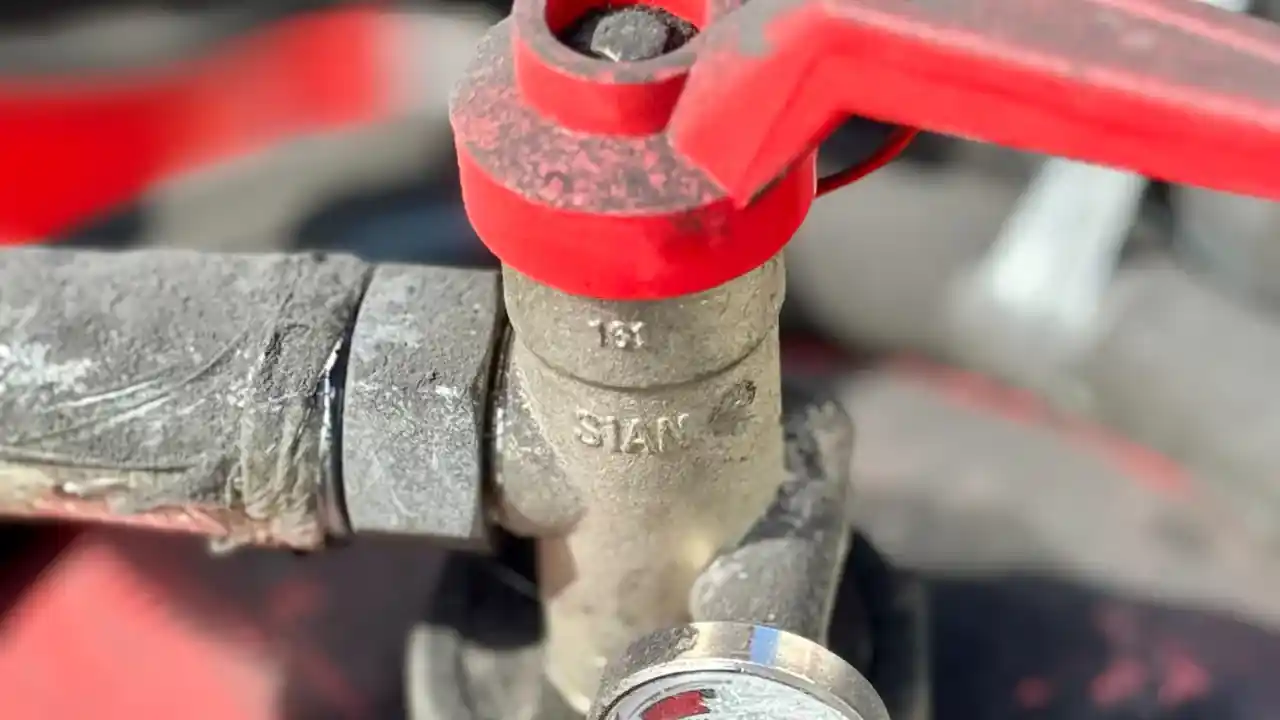
If the relief valve is releasing a steady flow of hot water, a connector has burst, or water is spreading, close the cold-water valve, turn off gas or power, and call (562) 539-0506. The emergency guide covers the shutdown steps. Recheck pressure after water heater expansion tank installation.
Water heater expansion tank installation: frequently asked questions
What does a water heater expansion tank do?
It absorbs the extra volume of water created when the heater warms the tank, so pressure in a closed plumbing system does not spike. Inside, a rubber bladder separates the water from a cushion of compressed air.
Do I need an expansion tank on my water heater?
If your home has a pressure-reducing valve, a check valve or a backflow preventer, the system is closed and thermal expansion has nowhere to go. In that case an expansion tank is commonly required by code and strongly recommended.
How do I know if my expansion tank has failed?
A failed tank is often waterlogged: tapping it sounds solid all the way up, and a quick press of the air valve stem releases water instead of air. The relief valve may also start dripping again.
How long do expansion tanks last?
Many last several years, but the bladder eventually fails. It is often replaced along with the water heater.
What size expansion tank do I need?
It depends on the water heater's capacity, house water pressure and water temperature. A provider sizes it and sets the air charge to match your house pressure.
Where is the expansion tank installed?
Usually on the cold-water line near the water heater, supported so its weight does not hang on the pipe, and often secured alongside the heater's seismic straps.
Can a waterlogged expansion tank be fixed?
If the bladder has failed, no; it needs replacing. If the air charge has simply leaked down, it can sometimes be recharged with the tank isolated and drained.
Does a tankless water heater need an expansion tank?
Tankless units store very little hot water, so thermal expansion is much smaller, but local requirements and the rest of the plumbing system can still call for expansion control. A provider can confirm what applies.
Where does the water go when it expands?
In a home with an expansion tank, it pushes into the tank against the air cushion. Without one, it has nowhere to go in a closed system, so pressure rises until the relief valve opens or a fixture is used.
Can an expansion tank leak?
Yes. The steel shell can rust, especially at the bottom connection, and the air valve can leak if the bladder has failed. A leaking or rusty expansion tank should be replaced.